
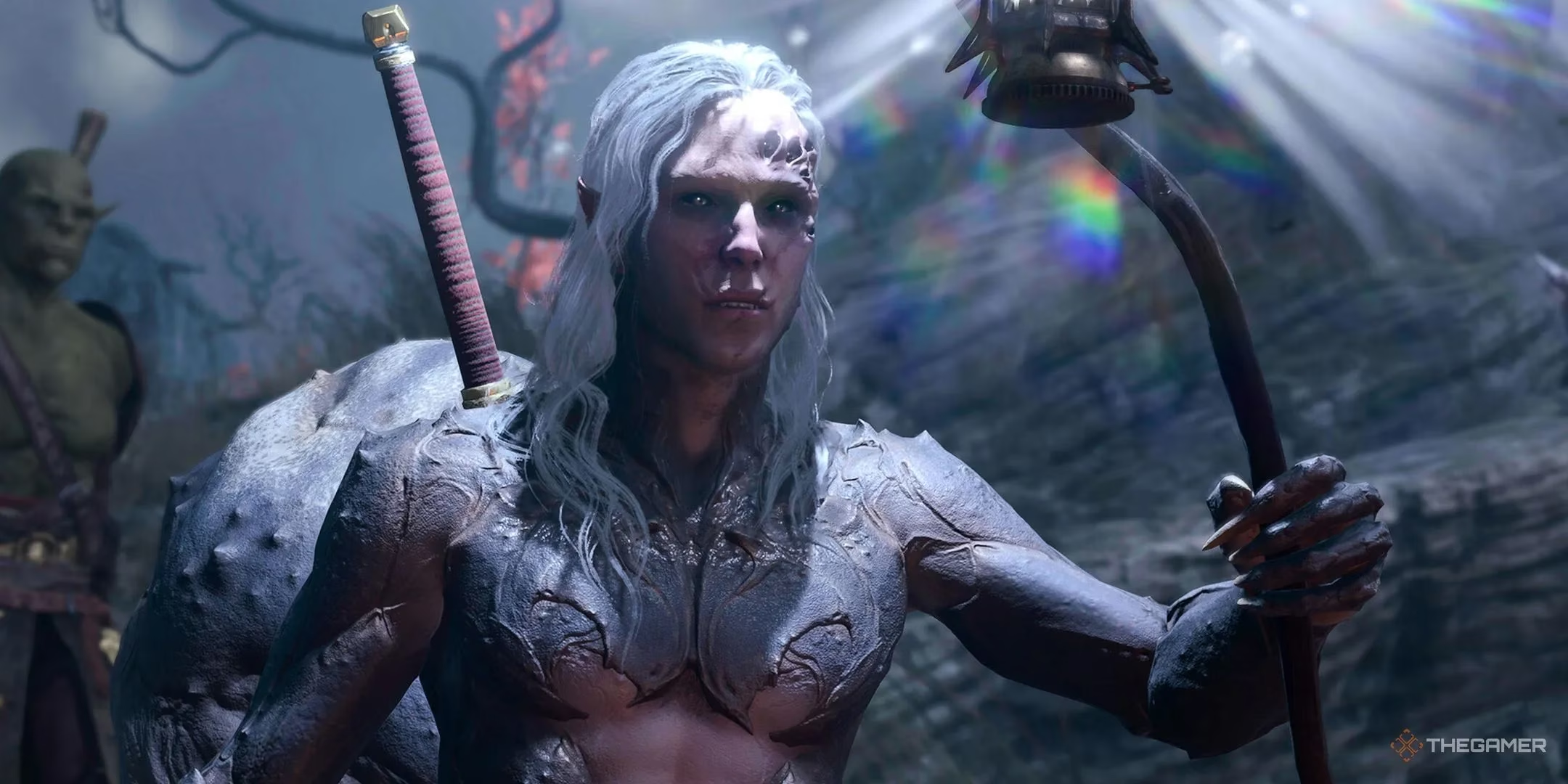
As a dedicated gamer reflecting on the past few years, I find myself marveling at how the landscape can shift. If you had told me back in 2023 that a turn-based CRPG deeply rooted in Dungeons & Dragons would not only compete with but surpass a major Bethesda release, I would have been incredulous. The developers themselves seemed to share that disbelief, famously moving Baldur’s Gate 3's release date to avoid clashing with Starfield. It was a title from a niche genre, typically sustained by a passionate core audience, yet it achieved mainstream acclaim through its incredible depth and captivating cast of characters. That success story set a new benchmark. Now, as we stand in 2026, I look back at the year that was 2024 and forward to the echoes of potential greatness in 2025, wondering what game could possibly capture that same lightning-in-a-bottle magic.
What Was 2024's Defining Breakout Hit?
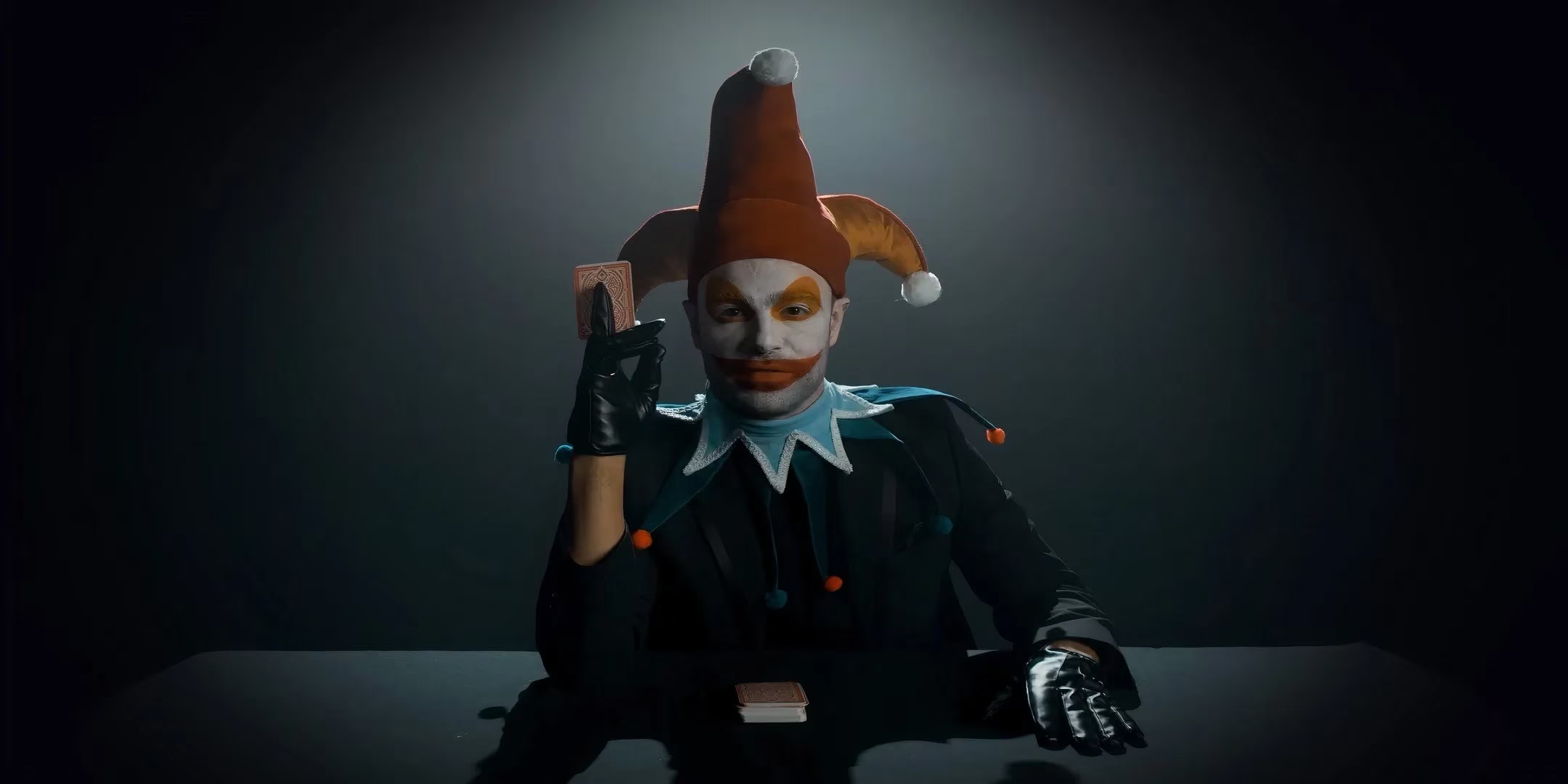
Looking back, 2024 offered a roster of strong contenders for the title of "this year's Baldur's Gate 3"—a game that defies expectations and achieves monumental success. We witnessed the explosive popularity of Black Myth: Wukong, the creature-collecting phenomenon of Palworld, the cooperative chaos of Helldivers 2, and the deep, complex systems of Dragon's Dogma 2. Yet, none made quite the same pervasive, unexpected splash as Balatro. This unassuming deck-building roguelike, centered on poker hands, became a cultural touchstone. It sold a staggering 3.5 million copies, spawned crossovers with giants like Among Us, Vampire Survivors, and Cyberpunk 2077, and earned the Best Indie award at The Game Awards, even securing a Game of the Year nomination. With a successful mobile port, it shattered the confines of its genre, achieving mainstream recognition its solo developer, LocalThunk, likely never dreamed possible. At the start of 2024, the idea that a poker game from a single developer would overshadow a major sequel like a new Dragon Age title seemed far-fetched. Yet, that's precisely what happened. 🃏
Potential Contenders from 2025's Horizon
With Balatro's legacy in mind, my gaze turns to the games of 2025 that held the potential for similar earth-shattering impact. The field was crowded with promise and skepticism in equal measure.
Avowed: A Test of Obsidian's Craft
It was challenging to pinpoint exact expectations for Obsidian Entertainment's fantasy RPG, Avowed. Superficially, it drew immediate and perhaps unflattering comparisons to The Elder Scrolls, from certain environmental aesthetics to some initially awkward character animations. Given that the studio's previous title, The Outer Worlds, was sometimes critiqued for clunky combat and constrained dialogue, leaning into a Bethesda-style formula felt like a risky gambit. However, early previews were remarkably positive. My personal history with Obsidian breeds confidence; they delivered what many consider the best Fallout game under immense pressure. Their strength has always been in meticulous world-building and compelling character narratives. I expected Avowed to hook me with every conversation and side quest. Yet, launching in a packed February, standing out for the entire year felt like a Herculean task. It had the aura of a future cult classic rather than a mainstream blockbuster.
Fable: A Long-Awaited Question Mark
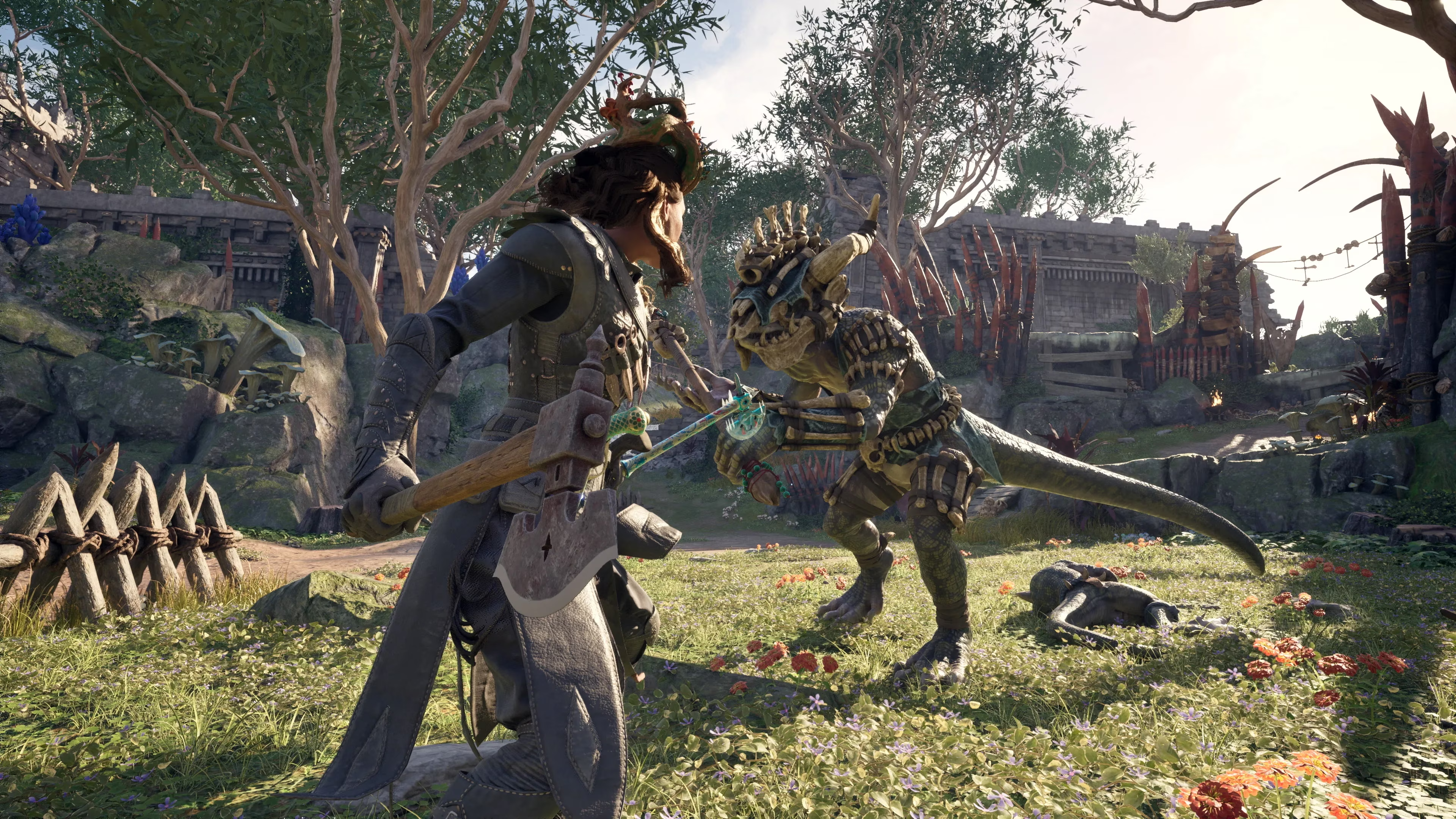
The prospect of a new Fable felt like wishing on a star. Announced years prior, its development journey was shrouded in silence, lacking key creative leads for significant periods. A 2025 release was tentatively planned, but with so little shown, optimism was cautious. Could it revitalize the beloved franchise with a fresh, whimsical perspective? Perhaps. But after such a protracted and opaque development cycle, I learned to temper my expectations significantly.
Citizen Sleeper 2: A Sequel Poised for Greatness
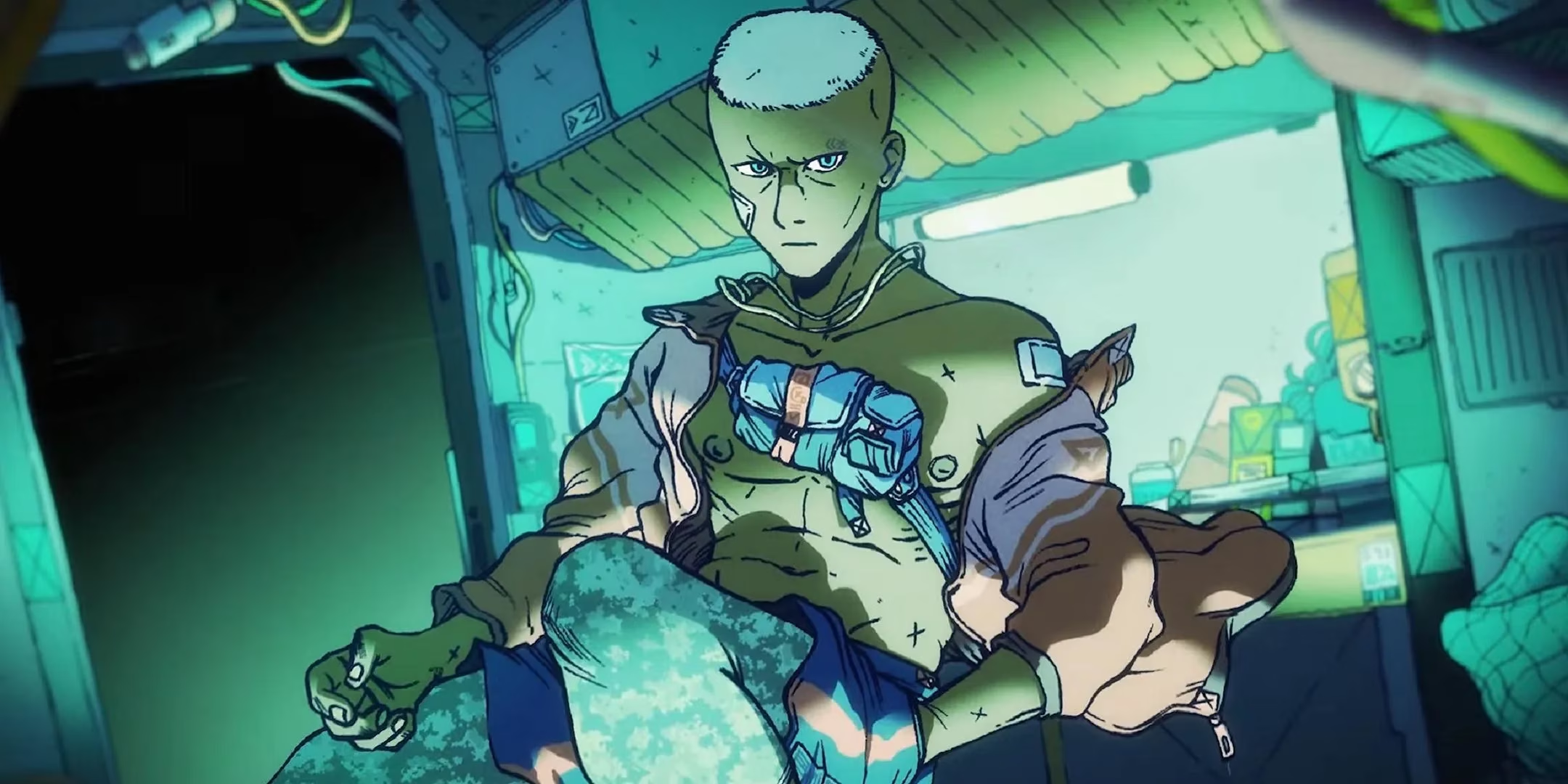
This was a title I urged people not to overlook. The original Citizen Sleeper, a narrative-driven, dice-based RPG from the solo developer at Jump Over The Age, was the dark horse darling of 2022. Starting as a niche critical favorite, relentless word-of-mouth propelled it to sell over a million copies. A sequel promised to expand on its profound themes of consciousness, survival, and humanity within a cyberpunk universe. Facing fierce competition, it nonetheless had all the ingredients—a proven formula, a dedicated fanbase, and critical goodwill—to become one of 2025's most revered narrative experiences.
Light No Fire: Carrying the Torch of Redemption
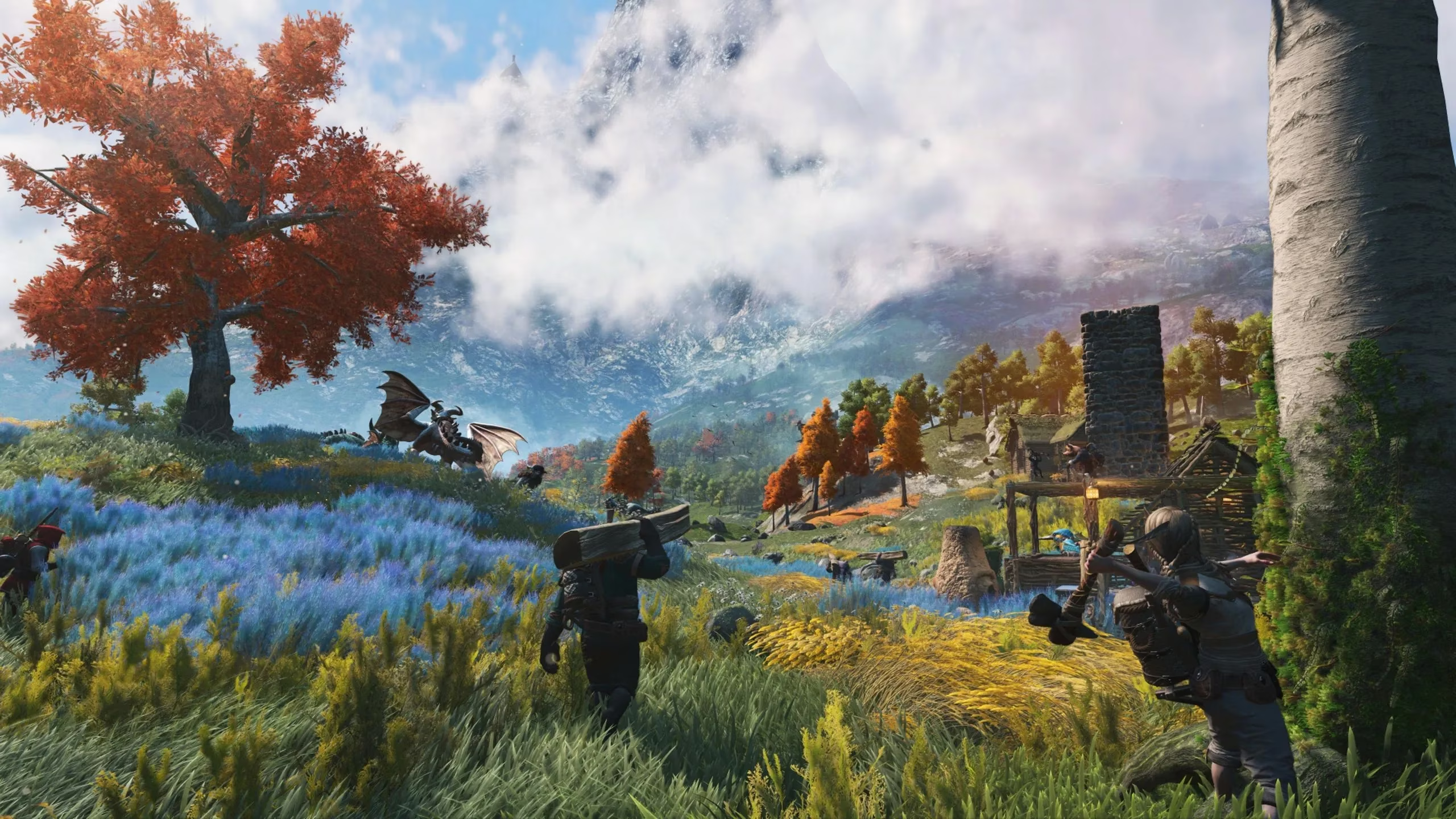
No studio understands comeback stories better than Hello Games. No Man's Sky's launch was infamously troubled, but years of dedicated, free updates transformed it into a beloved indie sandbox masterpiece. All that hard-won trust was invested in its spiritual successor, Light No Fire. The premise—a single, vast, hand-crafted planet to explore—rekindled that infectious, ambitious excitement not felt since 2016. While a healthy dose of skepticism lingered in my mind, the potential was undeniable. If Hello Games could deliver on this more focused promise, Light No Fire had every chance of being a defining game of 2025 and a landmark in exploration genres.
The Unavoidable Shadow: Grand Theft Auto VI
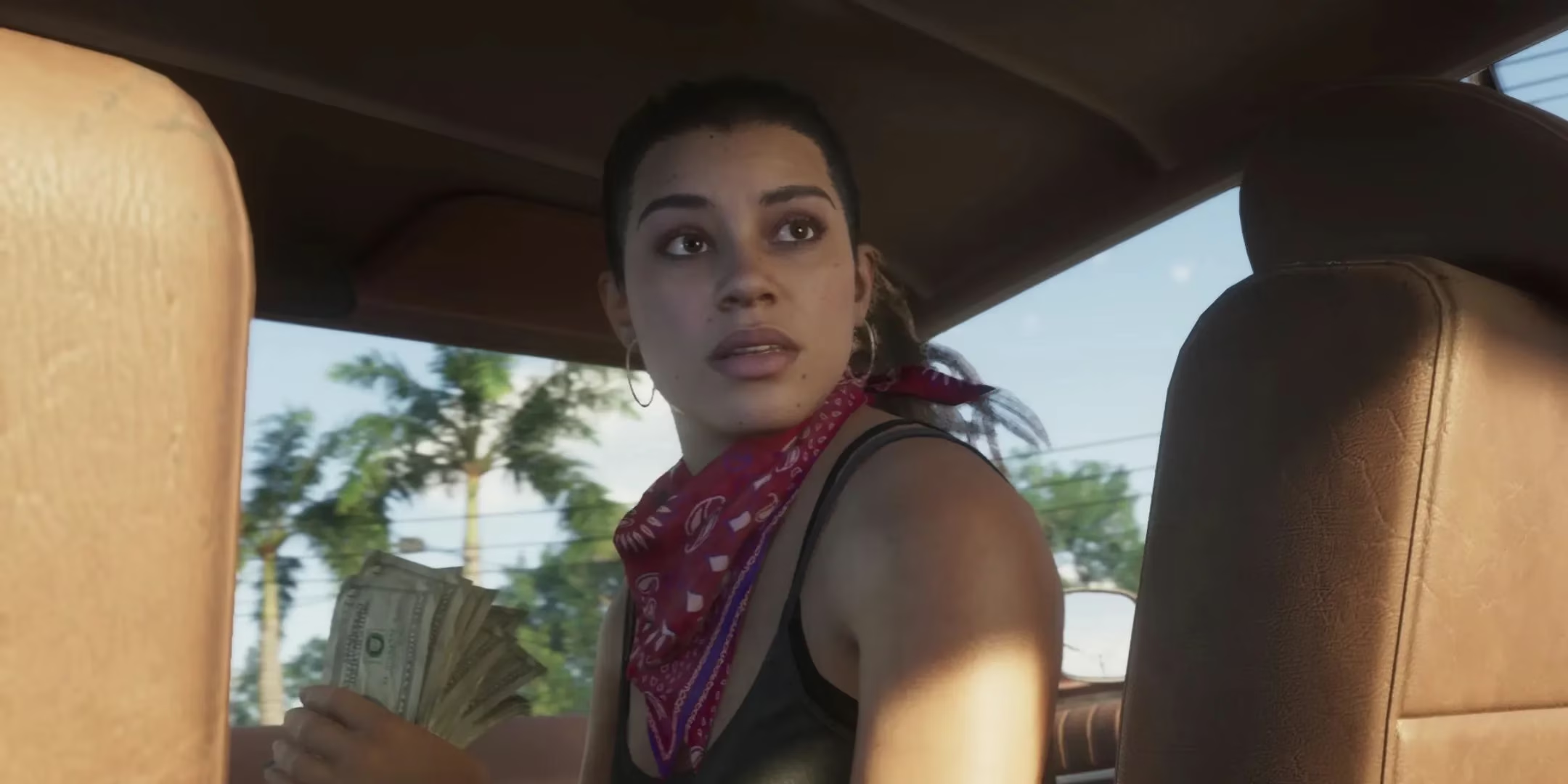
Yet, any discussion about 2025's gaming landscape must acknowledge the monolithic presence of Grand Theft Auto VI. Baldur's Gate 3's triumph was miraculous because it occurred in a fiercely competitive year, going head-to-head with titans like Starfield, The Legend of Zelda: Tears of the Kingdom, and Final Fantasy XVI. For something to replicate that feat in 2025, it would have had to contend with a cultural juggernaut. GTA VI, after winning the Most Anticipated award, was destined to be the most discussed, played, and influential release. Its record-shattering trailer views—over 100 million in a day—were merely a prelude. Every prior GTA title carved a decade-long legacy, and this one was poised to do the same, but bigger. 🏙️💥
Final Reflection from 2026
Sitting here in 2026, the picture is clearer. Under the enormous, inescapable shadow cast by Grand Theft Auto VI's release, no single game in 2025 managed to replicate the complete, genre-defining surprise and influence of Baldur's Gate 3. The market was simply too dominated by one title. The contenders I watched—Avowed, Fable, Citizen Sleeper 2, Light No Fire—all found their audiences and achieved varying degrees of success and critical praise. Some, like Citizen Sleeper 2, likely solidified their status as masterpieces for a dedicated following, while others may have settled into respected but quieter corners of the gaming world. The lesson remains: the "next Baldur's Gate 3" isn't just about quality or sales; it's about achieving that perfect storm of artistry, timing, and cultural penetration against all odds. In 2025, that storm had a single, very large name. The search for the next great underdog story continues.