
In 2026, Baldur's Gate 3 is still producing those tiny, ridiculous, and deeply satisfying discoveries that remind players why its narrative reactivity has such a reputation. The latest example comes from Redditor AtlasFlynn, who found that poisoning the Goblin Camp in Act 1 unlocks a secret piece of dialogue during Shadowheart's romance. Specifically, during the date between Shadowheart and the player, a new toast option appears: 'I seem to recall a campful of goblins faring very poorly after a toast.' According to AtlasFlynn, Shadowheart tells the player not to worry and raises a toast 'to not being poisoned.' It is a small moment, but it is exactly the kind of cause-and-effect storytelling that makes Larian's RPG feel absurdly alive.
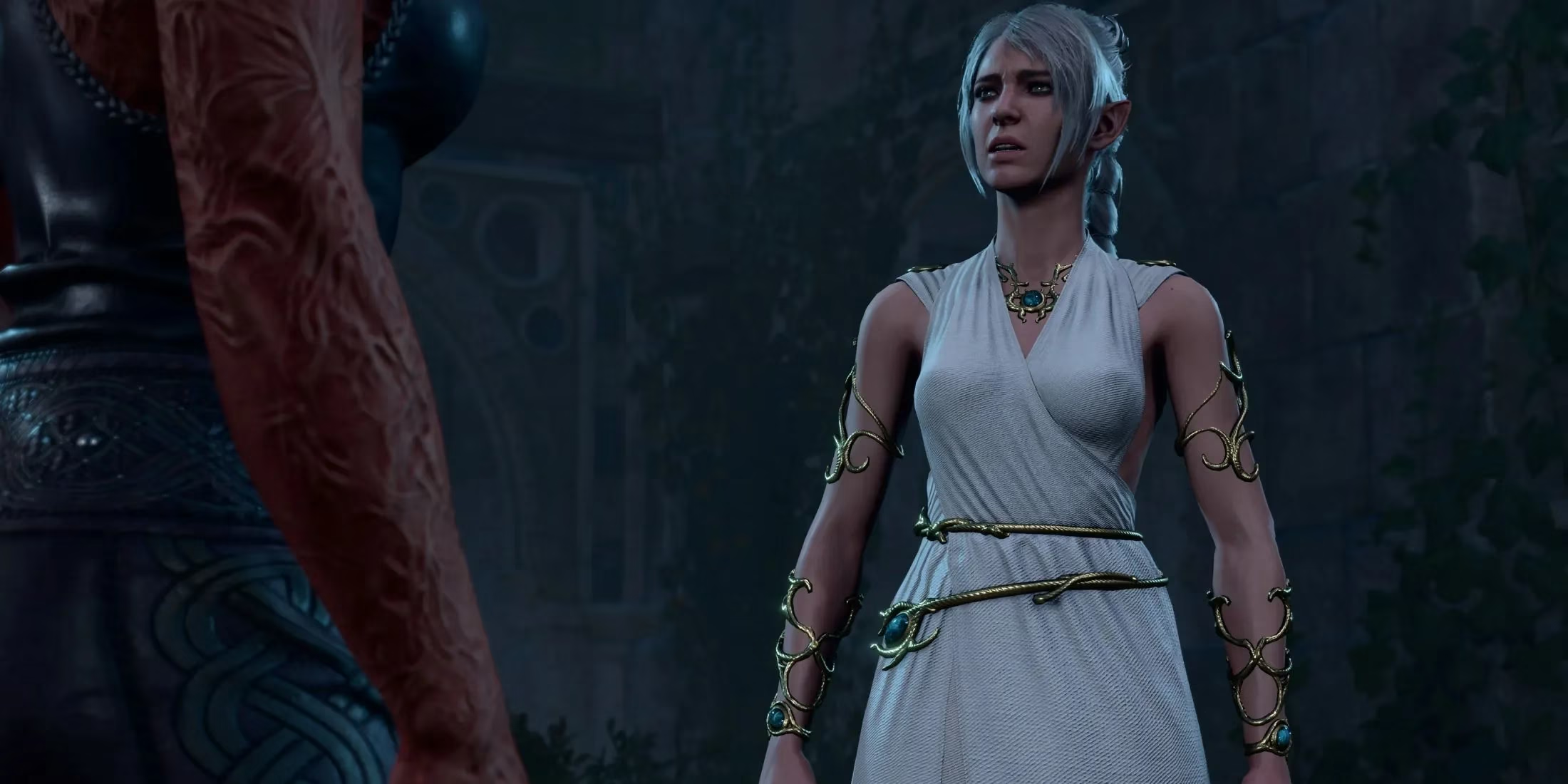
A Very Specific Act 1 Choice, A Very Specific Payoff
The trigger here is wonderfully narrow. A player has to poison the Goblin Camp in Act 1, then pursue Shadowheart's romance far enough to reach the date, then choose a particular toast line. That is not a main quest beat. It is not a companion approval milestone. It is a callback to a messy, optional, and frankly pretty ruthless decision.
| Element | Detail |
|---|---|
| Trigger | Poisoning the Goblin Camp in Act 1 |
| Scene | Shadowheart's romance date |
| New option | 'I seem to recall a campful of goblins faring very poorly after a toast.' |
| Shadowheart's reply | She reassures the player and toasts 'to not being poisoned.' |
| Why it matters | It proves that unrelated world-state choices can echo inside intimate character scenes |
That table is the whole trick, really. The goblin camp poisoning is not part of Shadowheart's personal quest. It is a world-state decision with its own moral weight, tactical advantages, and consequences. Yet the game remembers it at a quiet romantic dinner and lets the player turn it into a joke. 🍷
Why the Toast Works So Well
Shadowheart's romance is one of Baldur's Gate 3's most popular routes because it is about trust, identity, and the slow work of helping someone decide who she wants to be. That makes the toast line feel surprisingly on-brand. It is dry. It is a little dark. It is intimate in the way that shared history is intimate, even when that history involves a camp full of poisoned goblins.
The moment also shows how humor can keep a dramatic romance human. Shadowheart does not deliver a solemn lecture about the player's choices. She does not ignore the reference. She meets it with a wry response and raises a glass to survival. For a character whose storyline is loaded with memory loss, religious conditioning, and painful self-discovery, that flash of gallows humor is a relief. It says that the relationship can hold both tenderness and terrible jokes.
It also rewards players for paying attention. Many RPGs treat romance as a separate lane: talk to the companion, gain approval, unlock a scene, repeat. Baldur's Gate 3 keeps folding the rest of the adventure back into those scenes. A player's Act 1 behavior becomes dinner conversation. A brutal tactical choice becomes a toast. That is narrative reactivity in its most playful form.
The Replayability Machine Keeps Humming
Baldur's Gate 3 has so much content that no single playthrough can see it all. Players have been finding new dialogue for years, and 2026 is no exception. Even after multiple runs, there are still small interactions, alternate lines, and conditional responses hiding behind very specific combinations of choices. The poisoned-goblin toast is a perfect example: most players will never hear it, and that is precisely why it is fun.
Larian has also continued to add new dialogue and features through updates. Patch 7 brought wholesome Shadowheart interactions and other changes, and the studio has teased future additions such as photo mode and crossplay. Larian is largely moving on to other projects, but the game still deserves ongoing support, and players are still combing through its corners. Hopefully, more interactions like this one will surface, although nothing is guaranteed.
What this discovery really shows is that Baldur's Gate 3's best rewards are often petty, specific, and deeply human. A camp of goblins fares very poorly after a toast. Months later, Shadowheart raises a glass to not being poisoned. It is a tiny joke, but it makes the world feel like it remembers. And for a game built on branching paths, that memory is the whole magic trick. 🎲
Expert commentary is drawn from Rock Paper Shotgun, whose PC-focused reporting often highlights why games like Baldur's Gate 3 continue generating buzz long after release, especially when obscure conditional dialogue and character-specific reactions turn small player choices into memorable narrative payoffs.