
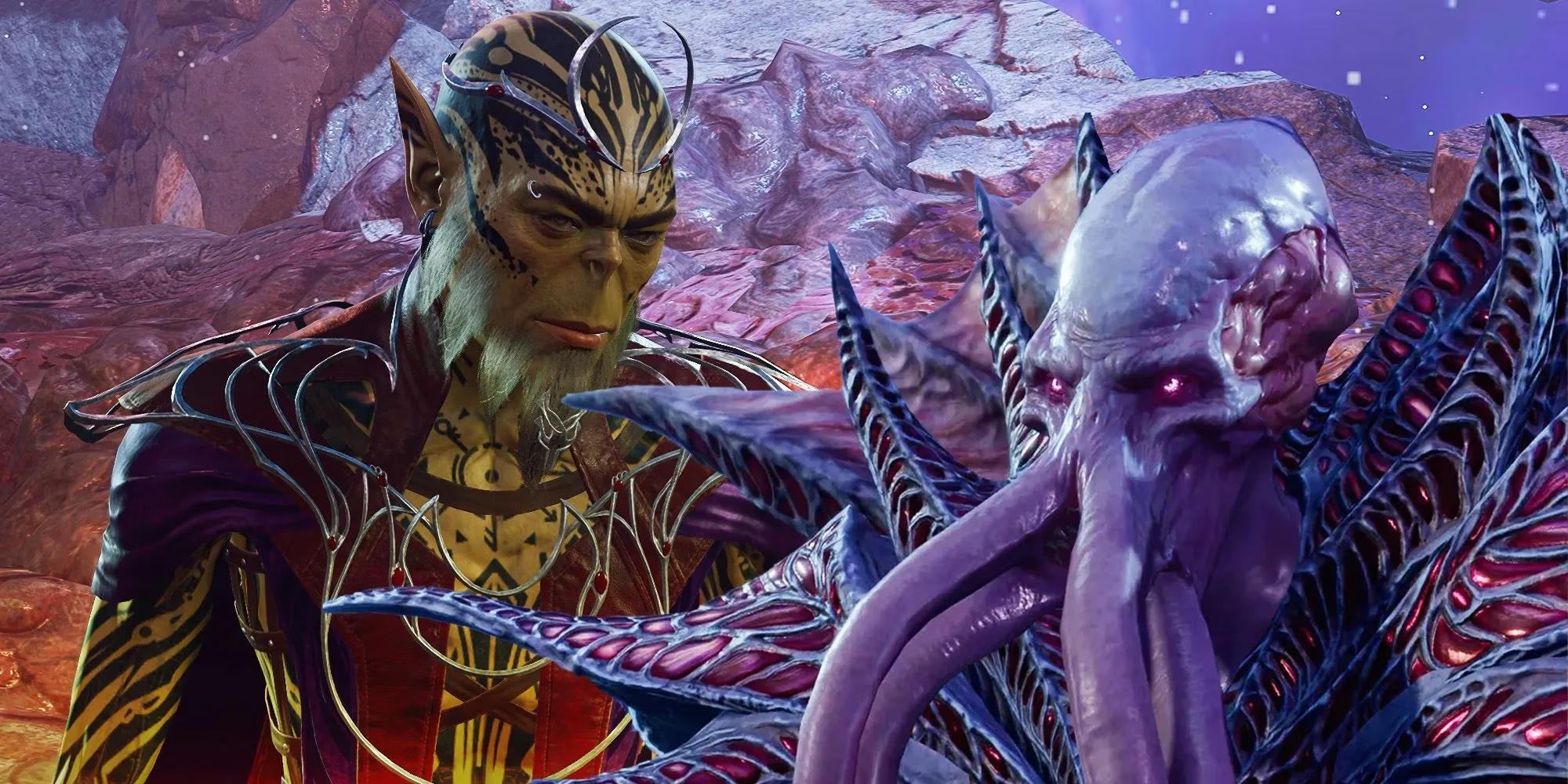
Larian Studios did not have to revisit Ansur, the Heart of the Gate. By the time Patch 7 arrived, Baldur's Gate 3 was already a sprawling RPG with more content than most players could reasonably finish. Yet the update, which brought mod support to consoles and new evil endings for Origin characters, also quietly rebuilt the opening of one of the game's most memorable optional battles. In 2026, with Larian's major update cadence slowed, the change remains a telling example of the Belgian studio's attention to detail: a small cinematic repair that turns a good boss fight into a great one.
A Dragon That Finally Moves Like a Dragon
Before Patch 7, Ansur's introduction had a problem familiar to anyone who has watched a stage play where the scenery moves before the actors do. The undead dragon lay motionless through the cinematic, then swapped to a moving mesh the instant combat began. The trick communicated the basics. Ansur speaks telepathically to Tav and the Emperor, and the camera's pass through the dragon's eye remains a clever visual bridge into the player's mind. But the sudden mesh change made the encounter feel like a stagehand caught mid-scene change. It was jarring, visible, and faintly embarrassing for a scene that should have been terrifying.
Patch 7 replaces that awkward transition with a slow tectonic shift. Ansur now blasts the player with a lightning bolt, knocking them back. His decaying body reforms just enough for him to rise and loom over the party, a corpse remembering the shape of its former grandeur. A lightning storm thunders around the underground cavern as he stands, earning his title as The Waiting Storm before the possession begins. The result is not merely prettier. It is dramatically smarter. A dragon that can stand can also react. Ansur's rage over the Emperor's actions and priorities reads more clearly, and the possession itself gains a physical tether: a magical beam from the dragon's mouth lifts the player character, making the mental invasion feel like a visible act of violence rather than a purely narrative one.
Why Ansur Matters Beyond the Cinematic
Ansur is not a casual encounter. He is found late in the Baldur's Gate 3 campaign, and the trail to his resting place is revealed by a select few: Duke Ravengard, Counsellor Florrick, or Cordula Eltan. Each points the player toward the legend of the bronze dragon and the trials required to reach him. First-time players may enter expecting to ask for aid, not to fight. What follows is one of the game's largest optional revelations: the Emperor was once Balduran, the founder of Baldur's Gate, and Ansur was his sworn defender and ally. The dragon was ultimately killed in self-defense after a disagreement about Balduran's nature as a Mind Flayer. That disclosure lands with the weight of a hidden foundation stone being pulled from under the city.
Because the fight is optional, and because many players reach it at the level cap of 12, it is easy to skip. That is precisely what makes Patch 7's work noteworthy. Ansur is one of only two dragons fought in the entire game, and he is by far the cooler encounter because he is the core focus rather than a sideshow. The dungeon before him already offers creative puzzles and lore that feeds into Wyll's storyline if the player has taken his quest far enough. The new opening does not fix a broken fight. It gives an already excellent optional boss the entrance its reputation deserves.
Small Changes, Large Signals
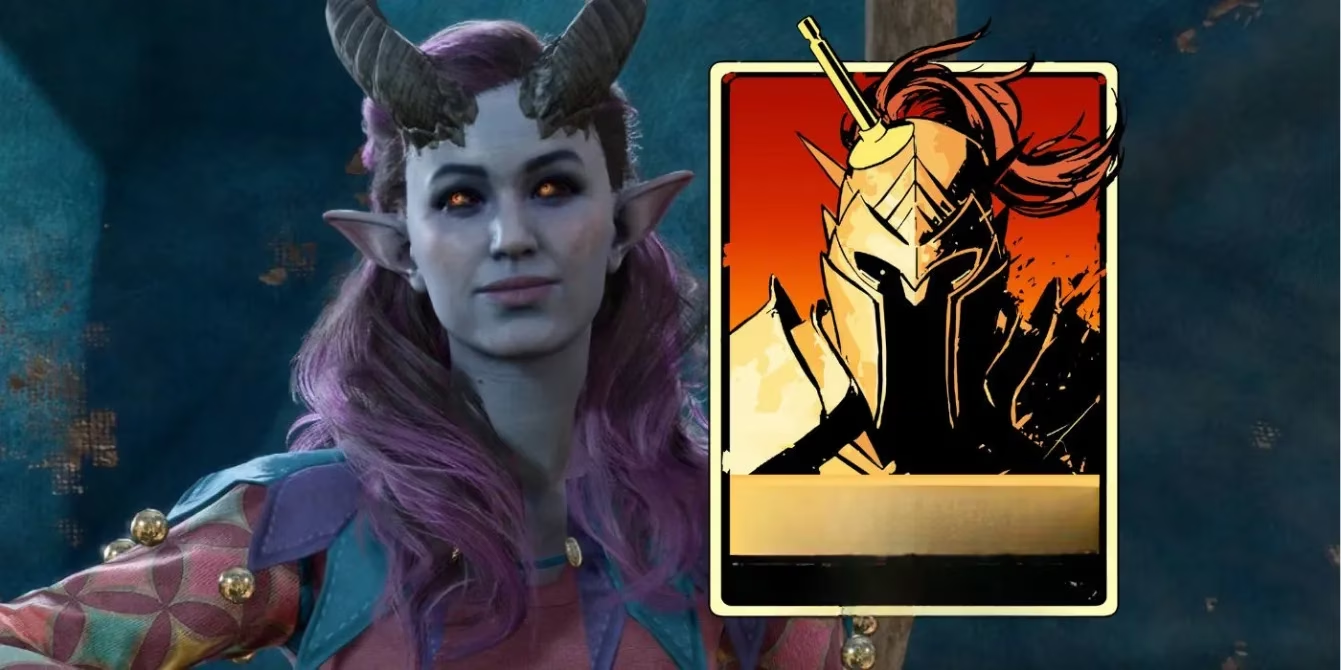
Patch 7 also adds a minor but welcome touch to the conversation before the battle. Where players once had three dialogue options per interaction, they now have four. These additions do not rewrite the scene. Ansur largely ignores the player and uses them as a proxy for his conversation with the Emperor. Still, they make the exchange feel less like a fixed interrogation and more like a live confrontation. It is a small key turning in a lock most players never knew was there.
| Patch 7 change | Why it matters |
|---|---|
| Ansur's revised introduction | Replaces an awkward mesh swap with a staged, physical rise |
| Lightning knockback and storm effects | Reinforces Ansur as The Waiting Storm |
| Added dialogue options | Gives the pre-fight conversation more room to breathe |
| Extra boss Legendary Actions in Honour Mode | Raises the ceiling for expert players |
| Minthara dialogue | Adds context for sparing her in a good playthrough |
| Mod support and new evil endings | Expands the game far beyond the dragon's cavern |
These refinements sit alongside Patch 7's headline features: mod support that reaches consoles, fresh evil endings for Origin characters, and harder Honour Mode bosses with additional Legendary Actions. Larian could have shipped those and earned praise. Instead, the studio also returned to a dragon in a basement, a boss many players might never meet, and gave him a better first impression. That is the sort of detail that separates a patch from a polish pass. It is also why Baldur's Gate 3's reputation has proven so durable in 2026: the game's biggest moments are supported by small ones, and even an undead dragon gets a second chance to make an entrance.